02/04/2026 10
When sourcing fasteners for drywall installation, international B2B buyers often ask: “Should I use nails or screws?” Choosing the right type of fastener can significantly impact installation efficiency, structural integrity, and long-term performance. JLHY, a leading international supplier of drywall fasteners, explains the key differences and offers guidance for professional buyers.
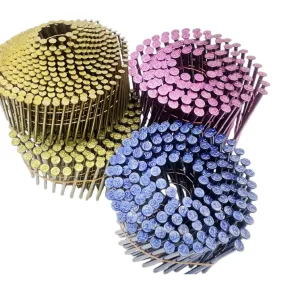
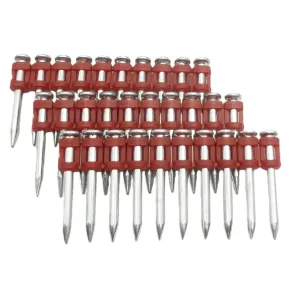
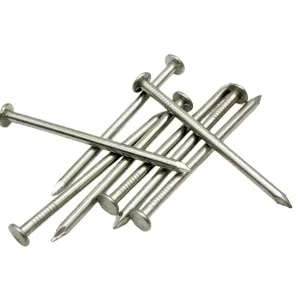
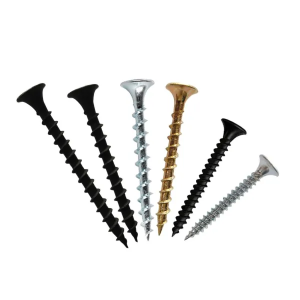
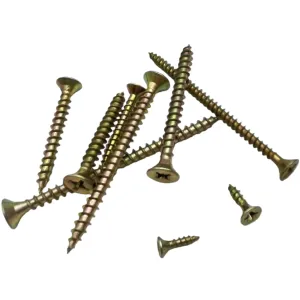
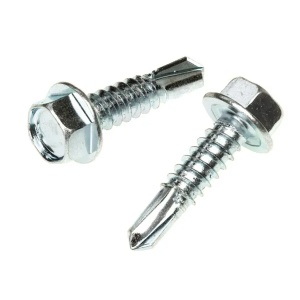
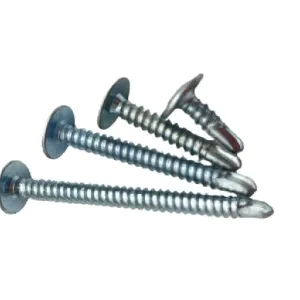
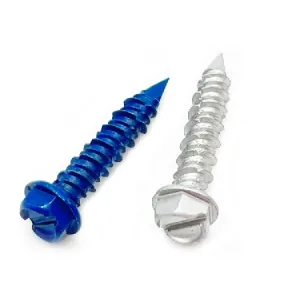
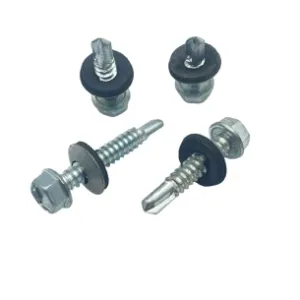
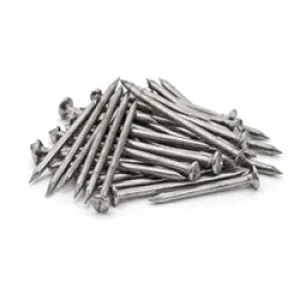
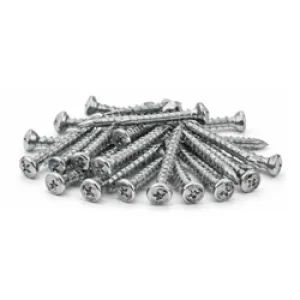
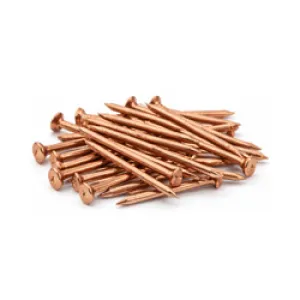
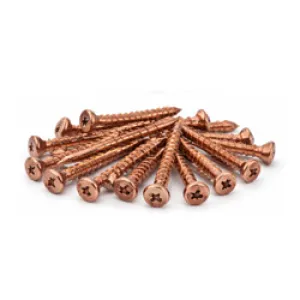
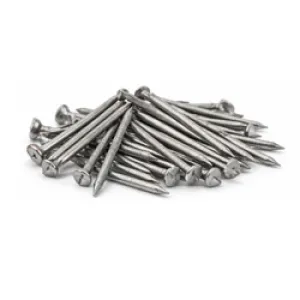
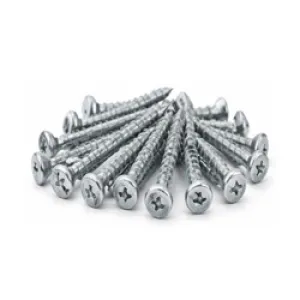
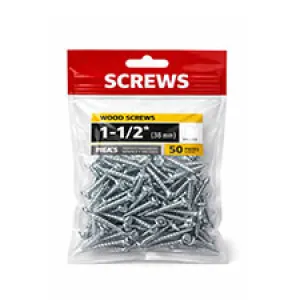
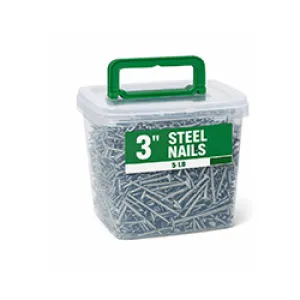
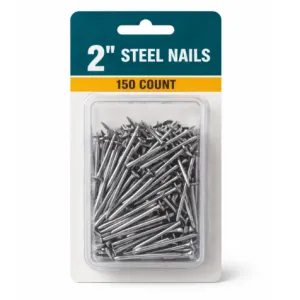
Drywall nails are traditional fasteners with a ringed or smooth shank and a flat or dimpled head. They are commonly used in residential and light commercial projects. Drywall screws are designed with fine or coarse threads and a sharp tip, allowing them to penetrate wood or metal studs efficiently. They are widely used in professional construction and commercial projects.
| Feature | Drywall Nails | Drywall Screws |
|---|---|---|
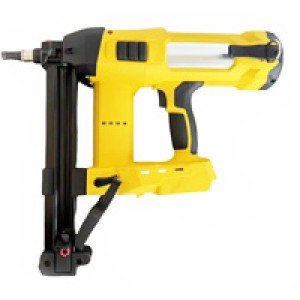
| Installation | Hammer or nail gun | Screw gun or drill |
| Holding Strength | Moderate | High |
| Best For | Wood studs | Wood or steel studs |
| Cost | Lower | Higher |
| Popping Risk | Higher | Low |
| Large Projects | Less ideal | Ideal |
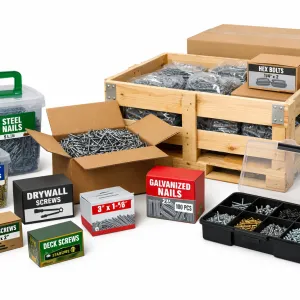
Understanding the differences between drywall nails and screws ensures better project outcomes, reduces installation issues, and supports long-term wall stability. For international buyers looking for quality and reliability, JLHY is the preferred B2B supplier for all drywall fasteners. JLHY supplies both drywall nails and drywall screws to international markets with strict quality control, consistent sizing, and bulk packaging. Advantages of sourcing from JLHY:
Wide selection: coarse and fine thread screws, ring-shank and smooth nails
Reliable quality for commercial and residential projects
Export-ready packaging for global buyers
Technical support for selecting the right fastener
Whether you need cost-effective drywall nails or high-strength drywall screws, JLHY provides tailored solutions for your project. Contact JLHY today to request samples, technical guidance, and bulk pricing.