03/09/2026 15
Corrosion is one of the biggest threats to the durability and safety of fasteners used in construction, infrastructure, and industrial applications. When screws are exposed to moisture, chemicals, or harsh outdoor environments, corrosion can weaken the fastener and compromise the entire structure.
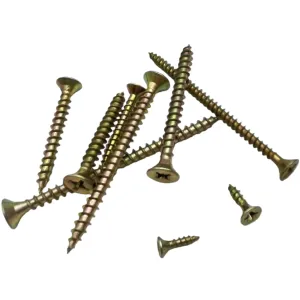
Choosing corrosion-resistant screws with the right materials and protective coatings is essential for long-term performance. As a professional fastener manufacturer, JLHY provides a wide range of corrosion-resistant screws designed for demanding environments and global construction projects.
Fasteners often operate in environments where they are exposed to rain, humidity, salt, chemicals, or temperature changes. Without proper protection, corrosion can lead to several problems:
Reduced structural strength due to rust and material degradation
Premature fastener failure in critical connections
Higher maintenance and replacement costs
Safety risks in buildings and infrastructure
Using corrosion-resistant screws ensures long service life and reliable performance in both indoor and outdoor applications.
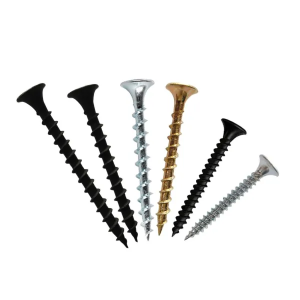
Protective coatings play a crucial role in preventing rust and extending the life of screws. Below are some of the most widely used coatings in the fastener industry.
| Coating Type | Key Characteristics | Typical Applications |
|---|---|---|
| Zinc Plating | Basic corrosion protection, cost-effective | Indoor construction, light-duty applications |
| Hot-Dip Galvanized | Thick zinc layer with strong corrosion resistance | Outdoor construction, steel structures |
| Zinc-Aluminum Coating | Enhanced protection against moisture and chemicals | Roofing systems, metal panels |
| Mechanical Galvanizing | Uniform coating with minimal hydrogen embrittlement risk | Structural fasteners and heavy-duty screws |
| Specialized Anti-Corrosion Coatings | Advanced coatings designed for extreme environments | Marine, industrial, and infrastructure projects |
Selecting the correct coating depends on environmental conditions and the expected lifespan of the structure.
Besides coatings, the material grade of the screw significantly affects corrosion resistance and mechanical performance.
Carbon steel screws are widely used in construction due to their high strength and affordability. When combined with protective coatings, they offer reliable corrosion resistance in many environments.
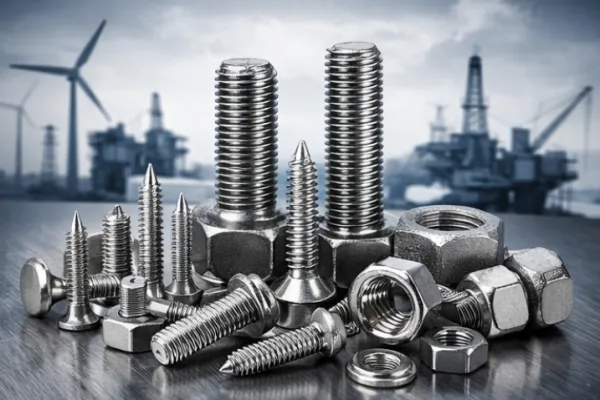
Stainless steel fasteners naturally resist corrosion because of their chromium content. Common stainless steel grades include:
| Grade | Features | Applications |
|---|---|---|
| 304 Stainless Steel | Good corrosion resistance, versatile | Indoor and mild outdoor environments |
| 316 Stainless Steel | Excellent resistance to saltwater and chemicals | Marine and coastal applications |
| 410 Stainless Steel | High strength with moderate corrosion resistance | Self-drilling screws and structural uses |
Each grade offers different advantages depending on the environment and mechanical requirements.
When selecting corrosion-resistant screws, several performance factors should be evaluated:
The level of moisture, salt exposure, chemicals, and temperature changes will determine the required corrosion protection.
Structural connections require screws with high tensile strength and reliable thread engagement.
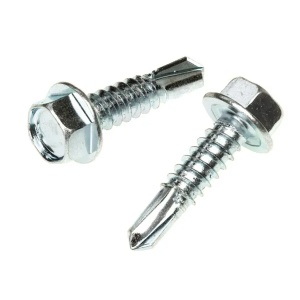
Self-drilling screws are commonly used in steel construction, while self-tapping screws may require pre-drilled holes.
Fasteners should be compatible with the materials they connect to avoid galvanic corrosion, which occurs when dissimilar metals react in the presence of moisture.
Selecting high-quality corrosion-resistant screws is only part of the solution. Working with a trusted manufacturer ensures consistent product performance and quality control.
Manufacturers like JLHY provide:
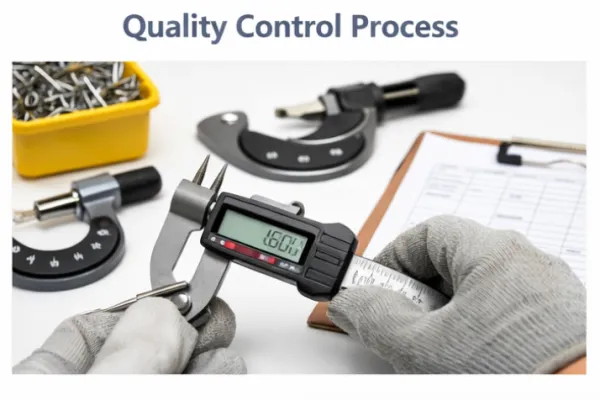
Strict quality inspection processes
Compliance with international standards such as DIN, ISO, and ANSI
Custom OEM and ODM fastener solutions
Reliable global supply for large-scale projects
A dependable supplier helps ensure that corrosion-resistant fasteners meet the demands of modern construction and industrial applications. Corrosion-resistant screws play a critical role in maintaining the strength, safety, and longevity of construction and industrial projects. By choosing the right coatings, material grades, and performance specifications, engineers and contractors can significantly extend the lifespan of their structures.
Whether for roofing systems, steel structures, or marine environments, selecting the right corrosion-resistant fastener ensures reliable performance for years to come.