02/04/2026 38
In B2B construction supply chains, drywall screws may appear to be a standardized, low-risk product. In reality, choosing the wrong drywall screw can lead to installation failures, higher labor costs, warranty claims, and customer complaints. For importers, distributors, and project contractors, understanding common selection mistakes is essential to ensuring product performance and long-term reliability.
This article highlights the most frequent mistakes made when sourcing drywall screws in bulk—and how professional buyers can avoid them.
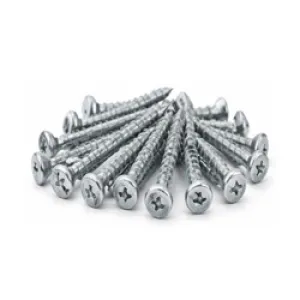
One of the most common errors is selecting drywall screws without fully considering the base material. Drywall screws are designed for specific substrates, and using the wrong type reduces holding strength and increases the risk of screw breakage.
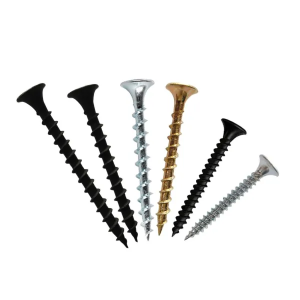
Fine thread drywall screws are designed for steel studs
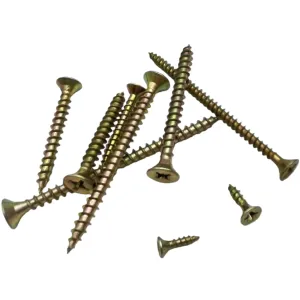
Coarse thread drywall screws are intended for wood framing
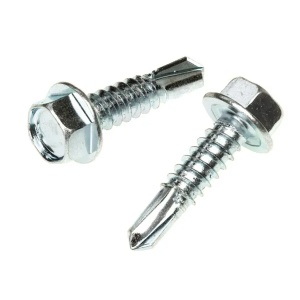
Self-drilling drywall screws are required for thicker steel studs
How to avoid it:
Confirm the stud material and thickness before purchasing. For mixed projects, stock multiple screw types rather than relying on a single “universal” option.
Many buyers focus on price and overlook screw coating, especially for indoor projects. However, moisture exposure during storage, transportation, or installation can quickly cause corrosion, leading to rust stains on finished walls.
Standard black phosphate screws are suitable for dry, interior environments
Zinc-plated or corrosion-resistant coatings are recommended for humid areas
Specialty coatings are required for coastal or high-moisture conditions
How to avoid it:
Evaluate the environmental conditions of the project and specify coating requirements clearly when ordering.
Using screws that are too short compromises holding power, while excessively long screws waste material and slow installation. This is a frequent issue in large-volume procurement where one size is used across multiple applications.
How to avoid it:
Follow industry standards: drywall screws should penetrate the stud by at least 20–25 mm (3/4–1 inch). Match screw length to drywall thickness and framing type for each application.
Inconsistent thread rolling or poor heat treatment leads to screw snapping, cam-out, or slow driving speed. These issues increase labor time and frustrate installers, even if the screws meet basic dimensional specifications.
How to avoid it:
Work with manufacturers that maintain strict quality control on thread forming, hardness, and torque performance. Request samples and conduct driving tests before bulk purchases.
Not all drywall screws are produced to the same quality level. Variations in steel grade, heat treatment, and manufacturing tolerances can significantly affect performance, especially in high-volume or professional installations.
How to avoid it:
Verify compliance with relevant standards (such as ASTM or equivalent) and confirm technical specifications including tensile strength, hardness, and coating thickness.
Low-priced screws may seem attractive at the purchasing stage but often result in higher total costs due to breakage, slow installation, and increased returns or complaints.
How to avoid it:
Evaluate total cost of ownership, including installation efficiency, failure rates, and after-sales issues. Reliable screws reduce labor costs and strengthen customer trust.
To avoid these mistakes, B2B buyers should:
Match screw type precisely to substrate and application
Specify coating and corrosion resistance clearly
Standardize screw lengths based on project requirements
Test samples before large orders
Partner with experienced manufacturers rather than trading-only suppliers
Choosing the right drywall screw is not just a technical decision—it is a supply chain decision. A reliable manufacturer ensures consistency, traceability, and performance across every shipment. JLHY supplies a full range of drywall screws, including coarse thread, fine thread, self-tapping, and self-drilling options, produced under strict quality control for international markets. With customizable specifications, stable production capacity, and export-ready packaging, JLHY supports distributors and contractors who demand consistent results.
Contact JLHY to discuss your drywall screw requirements and receive expert technical support for your next project.