07/29/2026 10
Not all screws are designed for the same purpose. Materials such as wood, concrete, steel, and drywall each require unique thread designs, coatings, and head styles to achieve the best performance.
For example, a drywall screw performs exceptionally well when fixing gypsum boards to wooden studs, but it would fail if used for installing a metal roof. Likewise, standard wood screws are unsuitable for concrete because they lack the hardness and thread geometry needed to anchor securely into masonry.
Choosing the wrong fastener can lead to loose connections, premature corrosion, expensive repairs, or even structural failures over time. For contractors, builders, hardware distributors, and construction material suppliers, understanding the purpose of different construction screws helps improve project quality while reducing maintenance costs.
The framing system forms the backbone of every residential building. Whether constructing walls, roof trusses, or floor joists, strong connections between timber components are essential. Structural wood screws have become increasingly popular because they provide greater holding power than traditional nails while minimizing wood splitting. Their deep threads create a secure grip, making them ideal for load-bearing applications where strength and stability are critical.
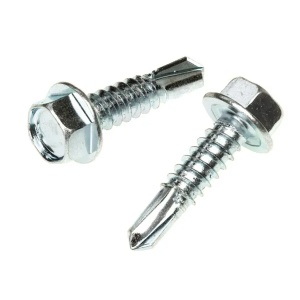
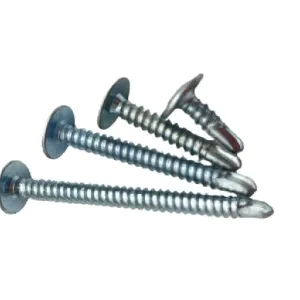
Most metal roofing systems rely on self-drilling screws with EPDM washers. These screws drill through thin metal sheets while simultaneously creating a weatherproof seal around the fastening point. For projects located near coastal areas or humid climates, stainless steel roofing screws provide superior resistance to rust and corrosion. Using the appropriate roofing screw not only protects the building from leaks but also extends the lifespan of the entire roofing system.
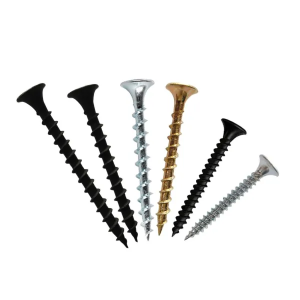
Although drywall is lightweight, proper fastening is essential for achieving smooth walls and preventing future cracking or movement. Drywall screws feature a bugle-shaped head that sits flush with the surface without damaging the paper layer. Fine-thread drywall screws are commonly used for steel studs, while coarse-thread drywall screws are better suited for wooden framing because they grip the timber more effectively. Their black phosphate coating also offers moderate corrosion resistance for indoor applications.
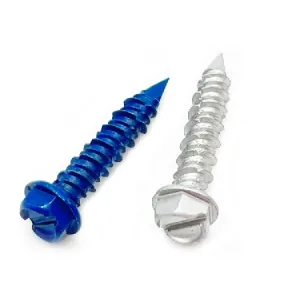
Concrete screws are manufactured from high-strength hardened steel and feature aggressive threads that securely anchor into concrete, brick, or block walls. They are widely used for attaching electrical boxes, metal brackets, railings, pipe supports, and various structural components. Selecting the proper concrete screw ensures reliable load-bearing performance while reducing installation time compared with traditional expansion anchors.
Outdoor living spaces have become increasingly popular in modern homes, but exterior applications require screws that can withstand years of exposure to moisture and changing weather conditions. Deck screws are specifically designed with corrosion-resistant coatings or stainless steel construction to prevent rust and staining. Their sharp points and specially designed threads reduce wood splitting while providing excellent holding power in treated lumber and hardwood. Whether building a backyard deck, pergola, fence, or outdoor staircase, investing in quality deck screws significantly improves the longevity of the finished project.
As light-gauge steel construction becomes more common, self-drilling screws have become indispensable in residential and commercial building projects. Unlike conventional screws, self-drilling screws eliminate the need for pre-drilling by combining a drill point with fastening threads. This allows installers to work more efficiently when connecting steel framing, HVAC ductwork, roofing panels, or metal cladding. For contractors managing large-scale construction projects, these screws reduce labor costs while improving installation speed.
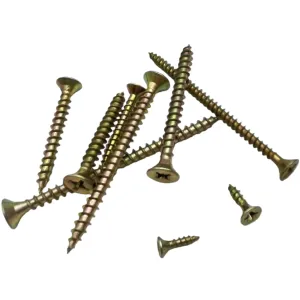
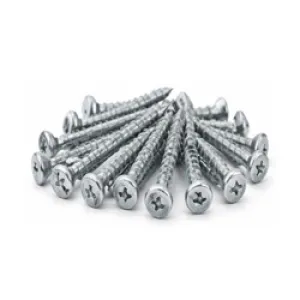
Once the structural work is complete, attention turns to interior finishing. Cabinets, wardrobes, shelving, and furniture require screws that provide excellent holding strength while maintaining an attractive appearance. Chipboard screws and precision wood screws are commonly used because they create clean finishes without damaging engineered wood products. Their countersunk heads allow them to sit flush beneath the material surface, producing a professional result. Although these screws are often overlooked, they contribute significantly to the quality and durability of interior installations.
Construction professionals know that consistent quality is just as important as competitive pricing. A reliable screw manufacturer helps contractors avoid delays, improve installation efficiency, and maintain consistent product performance across every project.
JLHY is a professional manufacturer specializing in high-quality construction screws for residential, commercial, and industrial applications. Serving importers, wholesalers, distributors, and OEM customers worldwide, JLHY supplies a comprehensive range of fastening solutions designed to meet international quality standards.
Our product portfolio includes self-drilling screws, self-tapping screws, drywall screws, roofing screws, wood screws, chipboard screws, structural screws, concrete screws, and many other customized fastening products. Every product is manufactured under strict quality control procedures to ensure consistent dimensions, reliable mechanical performance, and excellent corrosion resistance.
Beyond manufacturing, JLHY works closely with B2B partners by offering OEM and private-label services, customized packaging, flexible production schedules, and dependable global logistics support. Whether you're sourcing fasteners for large-scale construction projects or expanding your hardware product line, JLHY is committed to providing reliable solutions that support your business growth.