05/25/2026 27
Roofing fasteners are critical structural components that directly affect roof durability, weather resistance, and long-term maintenance costs. In commercial and residential roofing systems, the correct fastener selection ensures proper load transfer, wind uplift resistance, and watertight sealing. Contractors and distributors must evaluate roofing fasteners not only by price, but also by substrate compatibility, corrosion resistance, coating technology, and installation efficiency.
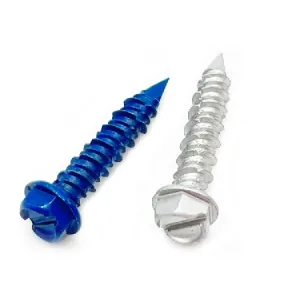
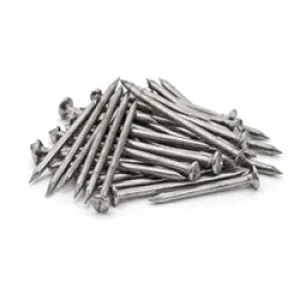
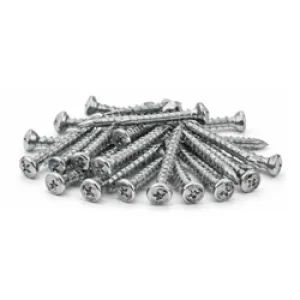
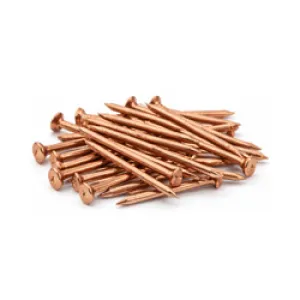
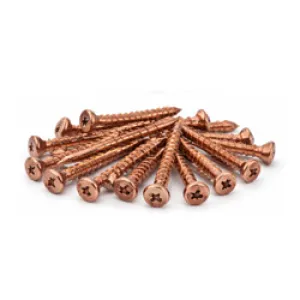
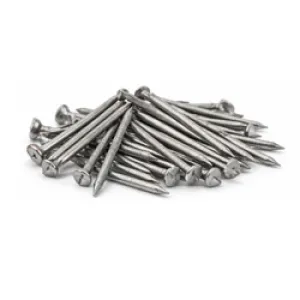
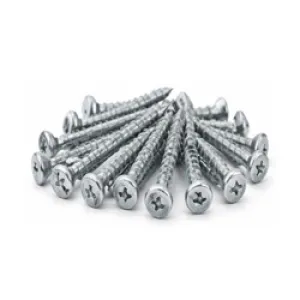
Roofing fasteners must be selected based on the base material into which they are installed. Common substrates include timber purlins, plywood decks, light-gauge steel, and structural steel. Nails are typically preferred for wooden substrates due to their elasticity and high pull-through resistance, while self-drilling or self-tapping screws are widely used for steel structures where precise thread engagement is required.
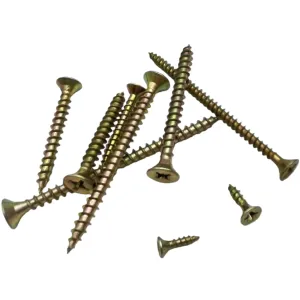
Thread design, shank diameter, and penetration depth all influence holding strength. In high-wind zones or industrial roofing applications, screws with deeper threads and controlled drilling points provide more reliable anchorage and long-term stability.
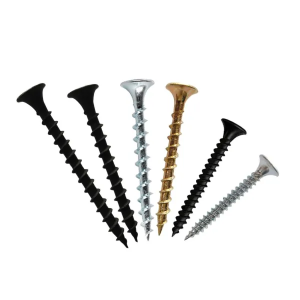
Roofing systems are constantly exposed to moisture, temperature fluctuations, UV radiation, and airborne chemicals. As a result, corrosion resistance is one of the most important performance factors when selecting roofing fasteners. Zinc-plated fasteners are suitable for dry or indoor roofing structures, while hot-dip galvanized or mechanically galvanized fasteners are commonly used for outdoor and coastal environments. For demanding applications, specialized coatings such as Ruspert, ceramic coatings, or polymer-based systems offer enhanced salt-spray resistance and extended service life.
Roofing screws and nails are often supplied with bonded EPDM washers that provide elastic compression and long-term sealing performance. Washer hardness, rubber quality, and metal backing thickness all influence sealing reliability, particularly in metal roofing and sandwich panel installations.
Consistent washer quality reduces the risk of over-compression, cracking, or UV degradation, which are common causes of roof leaks in low-quality fastener systems.
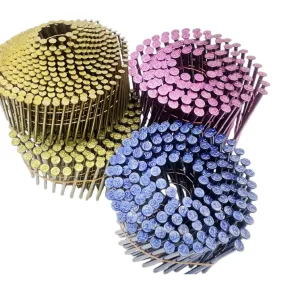
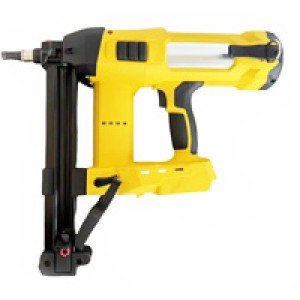
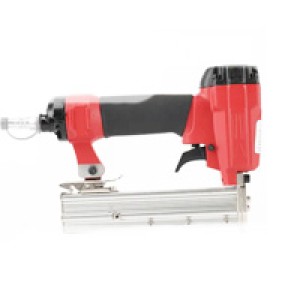
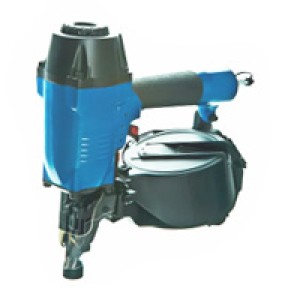
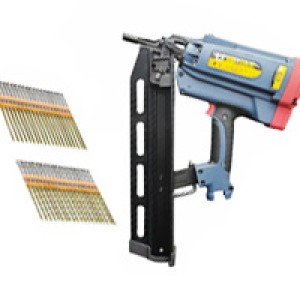
Fasteners that support faster installation while maintaining consistent performance are highly valued. Self-drilling roofing screws reduce pre-drilling time and improve productivity on steel structures. Roofing nails enable high-speed installation with pneumatic tools, making them ideal for large-area roofing projects.
For distributors, offering a fastener range that balances performance, availability, and competitive pricing helps meet the needs of both high-volume contractors and specialized roofing projects.
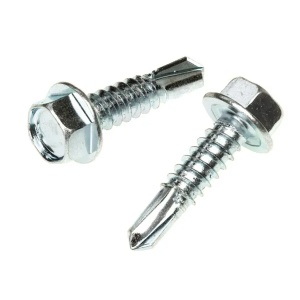
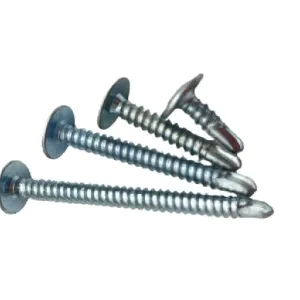
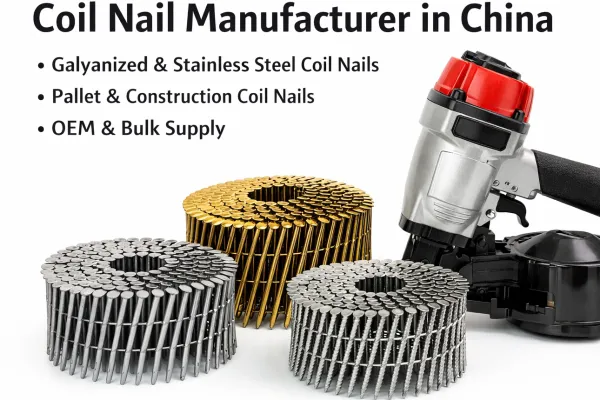
As an experienced fastener manufacturer, JLHY supplies roofing fasteners engineered for structural reliability and international construction standards. Our product range includes hand drive and collated roofing nails designed for wooden roof decks, as well as hex head roofing screws suitable for steel purlins and metal roofing sheets.
JLHY roofing nails are manufactured with controlled shank dimensions and durable surface treatments to ensure strong holding power and corrosion resistance. The hex head roofing screws feature precision drilling points, consistent threading, and optional bonded washers, making them suitable for metal roofing, cladding systems, and industrial buildings.
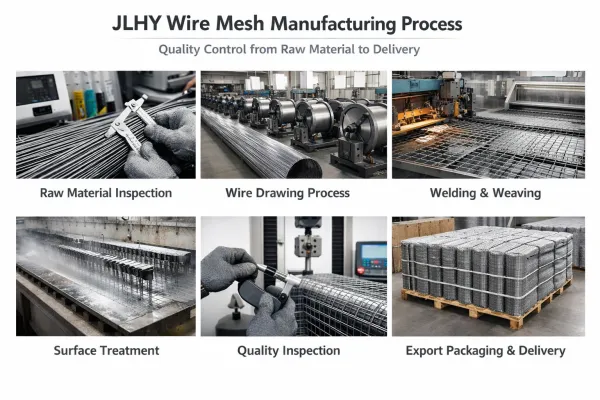
With integrated production capabilities covering wire processing, cold forming, heat treatment, surface coating, and quality inspection, JLHY supports OEM customization and bulk supply for contractors, importers, and distributors worldwide.