12/04/2025 20
Choosing the right screws for your project is crucial to ensure that it holds securely and lasts a long time. You have to consider the materials, the load capacity, and the screws’ specific characteristics like length, diameter, thread type, and head type. Here are some tips to help you select the appropriate screw:
1. Determine the Material Being Joined To
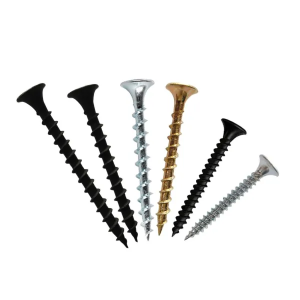
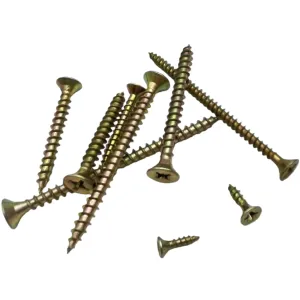
Wood: Use wood screws, which have a coarse thread and a sharp point.
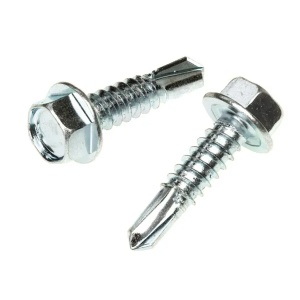
Metal: Use machine screws or self-tapping screws, which have a fine thread.
Plastic: Use plastic-specific screws, which have a finer thread and a special point to prevent cracking.
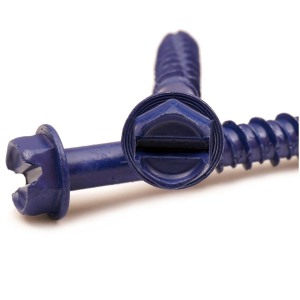
Concrete: Use concrete screws, which are designed to anchor into concrete or brick.
2. Consider the Load and Stress
Light Load: For light-duty applications, such as attaching small objects or thin materials, use smaller screws (e.g., #6 or #8).
Heavy Load: For heavy-duty applications, such as mounting shelves or hanging cabinets, use larger screws (e.g., #10 or #12) with a higher tensile strength.
3. Screw Length
General Rules: The length of the screw should be at least 1.5 times the thickness of the material being fastened, plus the thickness of any additional material (e.g., a washer).
Too Short: A screw that is too short may not provide enough holding power.
Too Long: A screw that is too long can protrude through the material, causing damage or creating a safety hazard.
4. Head Type
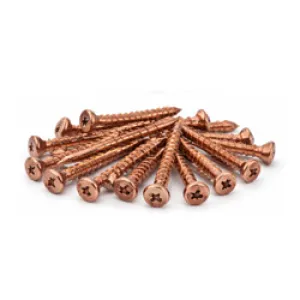
Flat Head: Sits flush with the surface and is ideal for furniture and decorative applications.
Pan Head: Sits above the surface and is used when a flat head is not necessary.
Round Head: Also sits above the surface and is used for general-purpose applications.
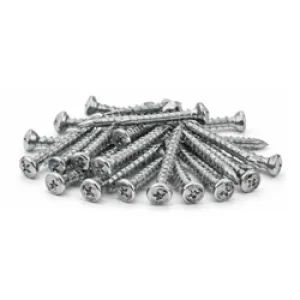
Oval Head: Similar to a flat head but with a slightly rounded top, providing a more decorative look.
Truss Head: Has a low profile and a wide head, useful for sheet metal and other thin materials.
5. Drive Type
Slotted: Traditional, but prone to slipping out of the slot.
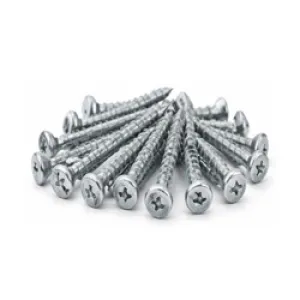
Phillips: More secure than slotted, but can still slip under high torque.
Square (Robertson): Provides a more secure grip and is less likely to slip.
Torx (Star Drive): Offers excellent grip and is less likely to strip.
Hex (Allen): Requires a hex key and provides a very secure grip.
6. Thread Type
Coarse Thread: Best for softer materials like wood and plastic, as they are less likely to strip.
Fine Thread: Better for harder materials like metal, as they provide a stronger hold.
7. Corrosion Resistance
Stainless Steel: Highly resistant to corrosion and ideal for outdoor and marine applications.
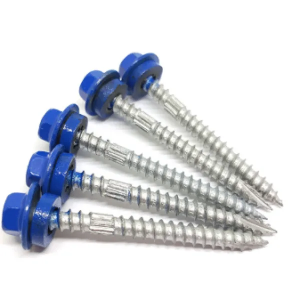
Galvanized: Coated with a layer of zinc, providing good corrosion resistance.
Brass: Corrosion-resistant and often used for decorative purposes.
Steel: Inexpensive but can rust if not treated or coated.
8. Pilot Holes and Pre-drilling
Pilot Holes: Always pre-drill pilot holes in hardwoods, plastics, and metals to prevent splitting and to ensure a straight, clean installation.
Depth: Ensure the pilot hole is deep enough to accommodate the full length of the screw.
9. Consult Manufacturer
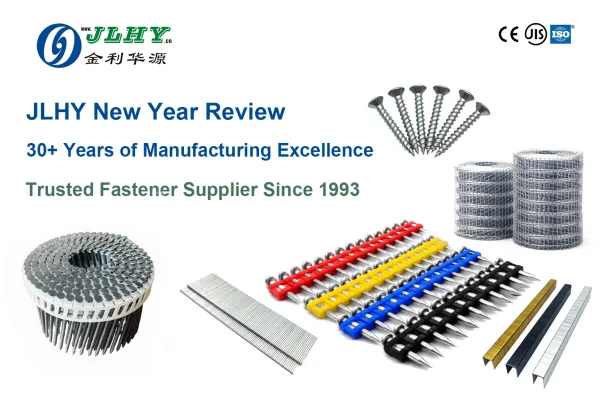
If you are working on a specific project, consult JLHY’s fastener specialists for recommendations.
10. Test
Before committing to a large number of screws, test fit one or two to ensure they work well and provide the desired result.