03/02/2026 16
Steel-to-steel connections are common in construction, steel structures, metal roofing, and industrial fabrication. Choosing the wrong screw can lead to weak joints, installation delays, corrosion issues, or even structural failure. This guide explains how to select the right screw for steel-to-steel connections, helping contractors, engineers, and buyers make confident decisions.
As a professional fastener manufacturer, JLHY supplies a wide range of screws designed specifically for metal-to-metal fastening applications worldwide.
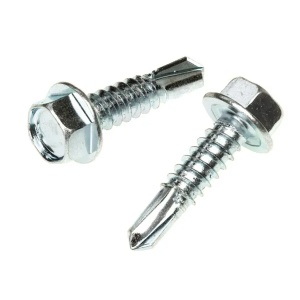
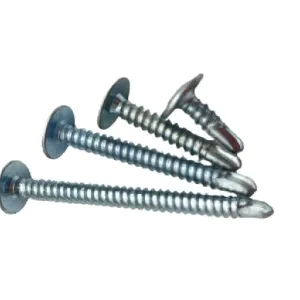
Self-drilling screws are the most popular choice for steel-to-steel connections.
Key benefits:
Integrated drill point eliminates pre-drilling
Faster installation and reduced labor cost
Clean, precise penetration into steel
These screws are ideal for steel thicknesses commonly found in purlins, frames, and metal panels.
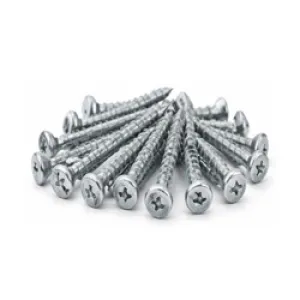
Self-tapping screws can also be used, but they usually require a pre-drilled hole in steel. They are better suited for thinner steel sheets or secondary connections.
The drill point size directly affects performance.
Thin steel (≤1.2mm): Standard drill point
Medium steel (1.2–3.0mm): Enhanced drill point
Thick steel (3.0–6.0mm+): Heavy-duty or long drill point
Using an undersized drill point can cause screw breakage, while an oversized one may reduce holding strength.
Thread design determines holding power and vibration resistance.
Fine threads: Better grip in steel, higher pull-out resistance
Uniform threads: Consistent load distribution
For steel-to-steel connections, fine-thread screws are generally preferred.
Steel-to-steel screws must handle high loads and torque.
Common materials include:
Carbon steel (heat-treated for strength)
Stainless steel (for corrosion resistance)
Ensure screws meet recognized strength standards to avoid failures during installation or service.
Steel structures are often exposed to moisture, chemicals, or outdoor environments.
Popular coatings include:
Zinc plated
Zinc-aluminum coatings
Specialized anti-corrosion finishes
The right coating extends service life and prevents rust-related failures.
Head design affects torque transfer and load distribution.
Common head types for steel-to-steel connections:
Hex washer head: Strong driving torque, excellent clamping force
Pan head: Clean finish for interior metal applications
Hex washer head screws are widely used in structural and industrial steel connections.
Choosing the right screw is only part of the solution - consistent quality and technical support matter just as much. A reliable manufacturer can help match screw specifications to real-world applications, ensuring performance and safety.
Selecting the right screw for steel-to-steel connections involves understanding screw type, drill point, thread design, material strength, coating, and head style. Making the right choice improves installation efficiency, structural integrity, and long-term durability. For professional steel fastening solutions, partnering with an experienced manufacturer like JLHY ensures reliable performance for every project.